| Note |
|
|
Note1: The value in Specification table are representative characteristics value at 220V, 50Hz.
Note2: The input power and exchange efficiency are the values measured under the standard air volume.
Note3: The above specification are the values measured under the factory set.
Note4: The power indicated on the name plate is the maximum value under the static pressure of 0Pa.
Note5: The noise is measured 1.5m directly below the center of the energy recovery ventilator. The noise value of the product is measured in a full anechoic chamber. Under actual conditions, due the impact of ambient sound, the noise value will be greater than the target value. The noise rises by about 1 dB(A) under reverse installation.
Note6: The air volume in normal ventilation mode is basically the same as the air volume in energy recovery mode.
Note7: The energy recovery efficiency test should be performed according to the method specified in Appendix 4 of JIS B 8628 (2003). The test environmental conditions should be subject to the winter and summer conditions specified in Table1 and Table2 of JIS B 8628 (2017). Other test methods should be subject to JIS B 8628 (2003). |
Note1: The value in Specification table are representative characteristics value at 220V, 50Hz.
Note2: The input power and exchange efficiency are the values measured under the standard air volume.
Note3: The above specification are the values measured under the factory set.
Note4: The power indicated on the name plate is the maximum value under the static pressure of 0Pa.
Note5: The noise is measured 1.5m directly below the center of the energy recovery ventilator. The noise value of the product is measured in a full anechoic chamber. Under actual conditions, due the impact of ambient sound, the noise value will be greater than the target value. The noise rises by about 1 dB(A) under reverse installation.
Note6: The air volume in normal ventilation mode is basically the same as the air volume in energy recovery mode.
Note7: The energy recovery efficiency test should be performed according to the method specified in Appendix 4 of JIS B 8628 (2003). The test environmental conditions should be subject to the winter and summer conditions specified in Table1 and Table2 of JIS B 8628 (2017). Other test methods should be subject to JIS B 8628 (2003). |
Note1: The value in Specification table are representative characteristics value at 220V, 50Hz.
Note2: The input power and exchange efficiency are the values measured under the standard air volume.
Note3: The above specification are the values measured under the factory set.
Note4: The power indicated on the name plate is the maximum value under the static pressure of 0Pa.
Note5: The noise is measured 1.5m directly below the center of the energy recovery ventilator. The noise value of the product is measured in a full anechoic chamber. Under actual conditions, due the impact of ambient sound, the noise value will be greater than the target value. The noise rises by about 1 dB(A) under reverse installation.
Note6: The air volume in normal ventilation mode is basically the same as the air volume in energy recovery mode.
Note7: The energy recovery efficiency test should be performed according to the method specified in Appendix 4 of JIS B 8628 (2003). The test environmental conditions should be subject to the winter and summer conditions specified in Table1 and Table2 of JIS B 8628 (2017). Other test methods should be subject to JIS B 8628 (2003). |
Note1: The value in Specification table are representative characteristics value at 220V, 50Hz.
Note2: The input power and exchange efficiency are the values measured under the standard air volume.
Note3: The above specification are the values measured under the factory set.
Note4: The power indicated on the name plate is the maximum value under the static pressure of 0Pa.
Note5: The noise is measured 1.5m directly below the center of the energy recovery ventilator. The noise value of the product is measured in a full anechoic chamber. Under actual conditions, due the impact of ambient sound, the noise value will be greater than the target value. The noise rises by about 1 dB(A) under reverse installation.
Note6: The air volume in normal ventilation mode is basically the same as the air volume in energy recovery mode.
Note7: The energy recovery efficiency test should be performed according to the method specified in Appendix 4 of JIS B 8628 (2003). The test environmental conditions should be subject to the winter and summer conditions specified in Table1 and Table2 of JIS B 8628 (2017). Other test methods should be subject to JIS B 8628 (2003). |
Note1: The value in Specification table are representative characteristics value at 220V, 50Hz.
Note2: The input power and exchange efficiency are the values measured under the standard air volume.
Note3: The above specification are the values measured under the factory set.
Note4: The power indicated on the name plate is the maximum value under the static pressure of 0Pa.
Note5: The noise is measured 1.5m directly below the center of the energy recovery ventilator. The noise value of the product is measured in a full anechoic chamber. Under actual conditions, due the impact of ambient sound, the noise value will be greater than the target value. The noise rises by about 1 dB(A) under reverse installation.
Note6: The air volume in normal ventilation mode is basically the same as the air volume in energy recovery mode.
Note7: The energy recovery efficiency test should be performed according to the method specified in Appendix 4 of JIS B 8628 (2003). The test environmental conditions should be subject to the winter and summer conditions specified in Table1 and Table2 of JIS B 8628 (2017). Other test methods should be subject to JIS B 8628 (2003). |
Note1: The value in Specification table are representative characteristics value at 220V, 50Hz.
Note2: The input power and exchange efficiency are the values measured under the standard air volume.
Note3: The above specification are the values measured under the factory set.
Note4: The power indicated on the name plate is the maximum value under the static pressure of 0Pa.
Note5: The noise is measured 1.5m directly below the center of the energy recovery ventilator. The noise value of the product is measured in a full anechoic chamber. Under actual conditions, due the impact of ambient sound, the noise value will be greater than the target value. The noise rises by about 1 dB(A) under reverse installation.
Note6: The air volume in normal ventilation mode is basically the same as the air volume in energy recovery mode.
Note7: The energy recovery efficiency test should be performed according to the method specified in Appendix 4 of JIS B 8628 (2003). The test environmental conditions should be subject to the winter and summer conditions specified in Table1 and Table2 of JIS B 8628 (2017). Other test methods should be subject to JIS B 8628 (2003). |

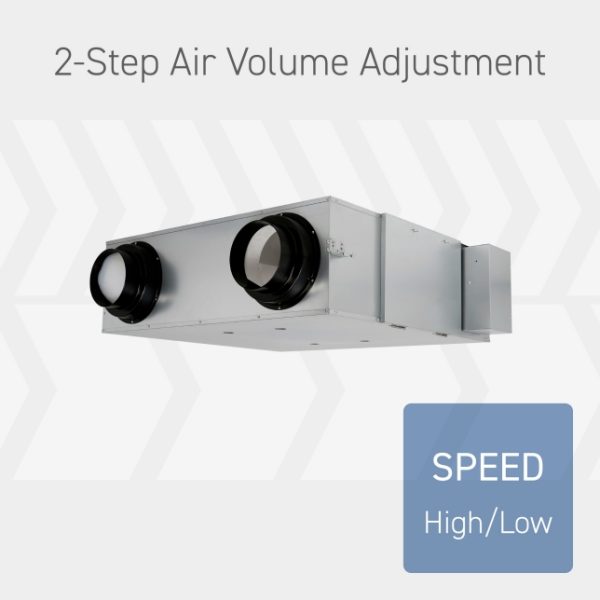
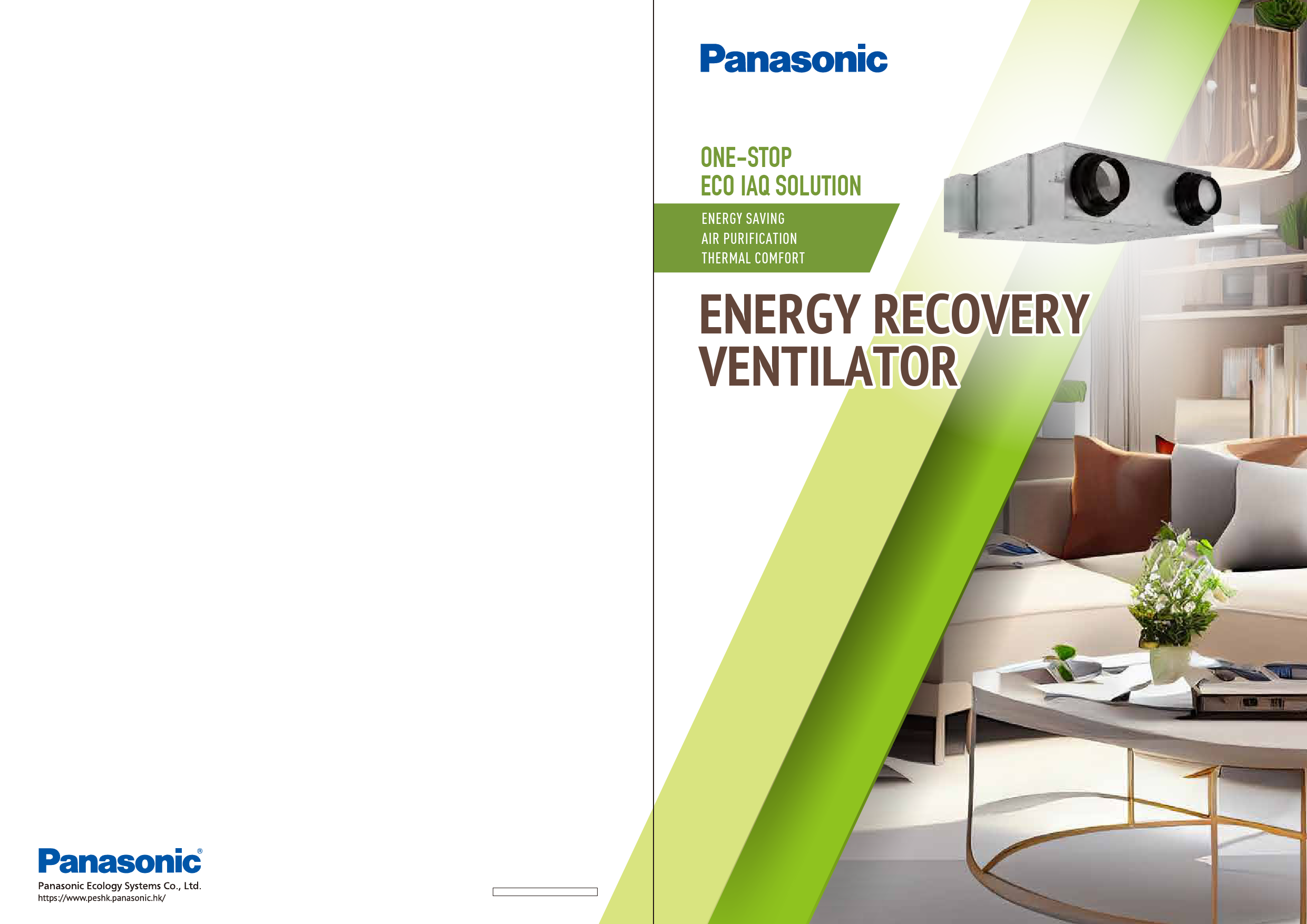
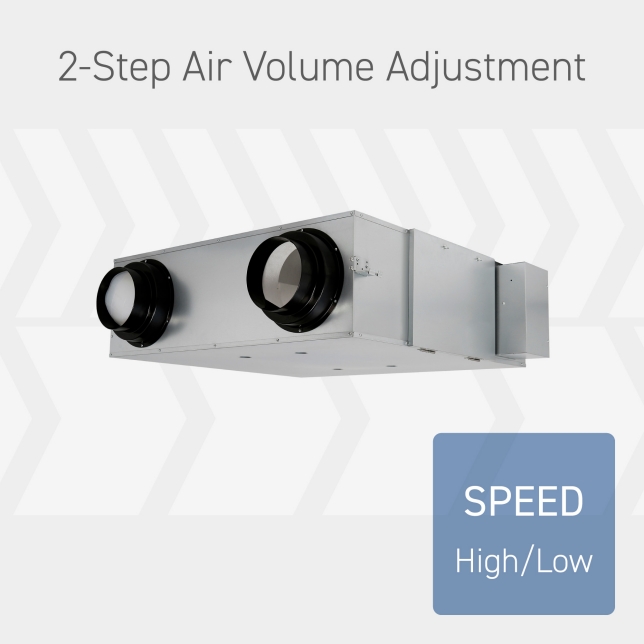
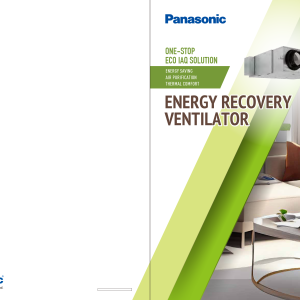
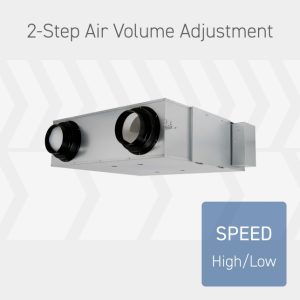

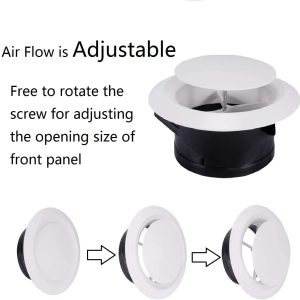
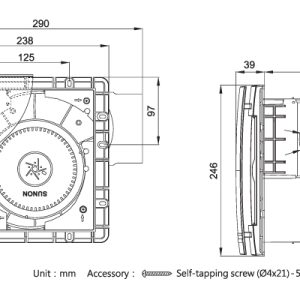
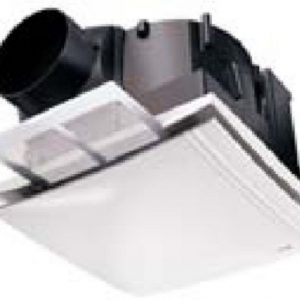
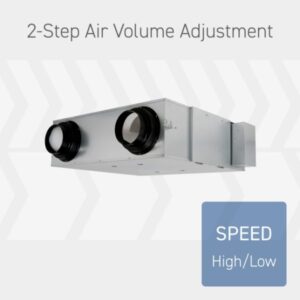 Panasonic FV-15ZY1 ERV DC Moto...
Reviews
There are no reviews yet.